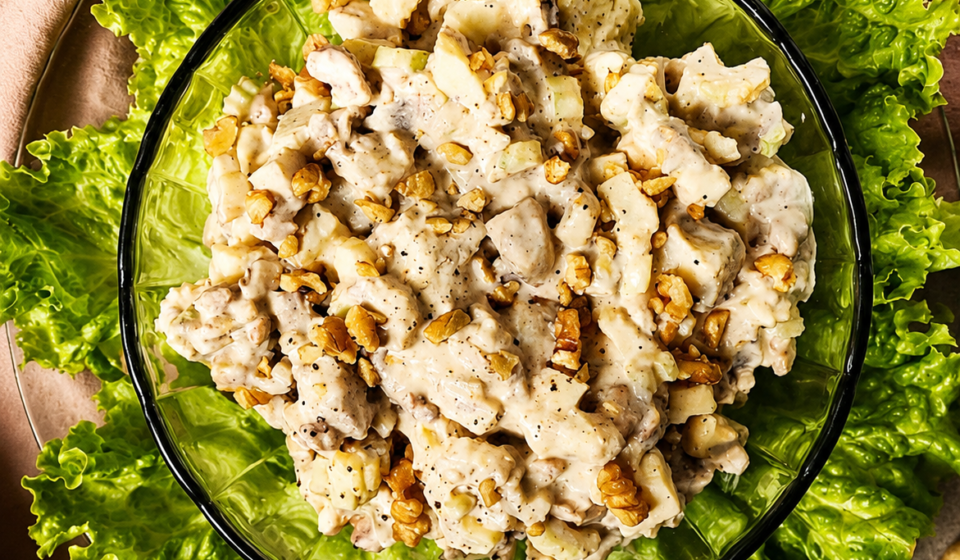

If you’re searching for the best ensalada Waldorf Argentina near me, it helps to know upfront that this isn’t quite the same dish served at its birthplace, New York’s Waldorf-Astoria. In Argentina, this salad has become a staple of the Christmas and New Year’s Eve table, usually appearing alongside asado, matambre, vitel toné, and Russian salad rather than as an everyday restaurant item. That means “near me” results will vary enormously depending on the season, and your best options are often a home kitchen, a rotisería (Argentine deli/takeaway), or a supermarket deli counter rather than a dedicated restaurant menu.
Because there’s no official directory or verified ranking of the best ensalada Waldorf Argentina near you, this guide focuses on what genuinely helps: understanding the dish’s origins, how the Argentine version differs from the classic, what ingredients define quality, and where people in Argentina typically buy or order it.
Where the Waldorf Salad Actually Comes From
The original Waldorf salad has a well documented history. It was created in 1893 at New York’s Waldorf Hotel, the precursor to the Waldorf-Astoria that opened in 1931, and while credit is disputed, it’s often attributed to maître d’hôtel Oscar Tschirky, who also had a hand in popularizing dishes like Veal Oscar and Eggs Benedict. The recipe was first published in the 1896 cookbook associated with “Oscar of the Waldorf,” and in its earliest form it contained just three ingredients: mayonnaise, celery and apple, without walnuts or grapes, which were added later. It was a hit with the hotel’s wealthy clientele, and Waldorf-Astoria reportedly still sells a version of it today, at a considerably higher price than its original ten-cent tag.
How Ensalada Waldorf Argentina Differs From the Original
Argentina adopted the dish long ago and adapted it into something distinctly its own. Ensalada Waldorf is now one of the traditional starters served during end-of-year holiday dinners, and while it has its critics as much as its fans, it’s a fixture at the family table on 24 and 31 December. It doesn’t generate quite the same enthusiasm as vitel toné, Russian salad, or pionono, but it’s a consistent presence in Argentine homes.
A few things typically set the Argentine version apart from the New York original:
- The dressing is often built around egg, oil, and vinegar or lemon, rather than plain mayonnaise. One widely used Argentine recipe calls for processing egg with salt, pepper, and apple cider vinegar, then emulsifying it with olive oil added in a thin stream, finishing with the rest of the vinegar.
- Lettuce is frequently added as a base, which isn’t part of the classic Waldorf formula, with the leaves washed, dried, and cut into medium pieces.
- Ingredient substitutions are common for cost or availability. Cooks in Argentina often use whichever apple is cheaper, and walnuts are sometimes swapped for unsalted roasted peanuts to keep the dish more affordable without changing the flavour too drastically.
- Some versions include shrimp or chicken, moving it further from the original fruit-and-nut salad into a more substantial dish, though this is a matter of family tradition rather than a fixed standard.
- Yogurt sometimes replaces or lightens the mayonnaise, especially in more contemporary or health-conscious versions, mixed with lemon juice and a pinch of salt, occasionally loosened with a spoonful of cream.
Finding the Best Ensalada Waldorf Argentina Near You
Ensalada Waldorf isn’t typically a dish you’ll find as a standalone menu item at restaurants it functions more as a side or starter, especially in December. If you’re trying to track down the best ensalada Waldorf Argentina near me, the realistic places to look are:
- Rotiserías and delis that sell prepared salads by weight, particularly around the holiday season.
- Supermarket deli counters, where pre-made Waldorf salad sometimes appears alongside Russian salad and other classic sides.
- Parrillas (grill restaurants) that offer a small selection of cold side salads with an asado order availability varies by establishment and isn’t guaranteed.
- Home cooks and family recipes, which is where most Argentines actually encounter the dish, making a search engine less useful than a family recipe card.
There’s no reliable public database ranking specific restaurants or delis by the quality of their ensalada Waldorf, so any “best near me” list you encounter online is likely based on general reviews rather than a dish-specific evaluation. If a search result claims a definitive “best” spot without citing verifiable reviews or a named, checkable source, treat it with caution.

What to Look for in a Good Ensalada Waldorf
Whether you’re buying it prepared or judging your own version, a few quality markers apply regardless of the exact recipe used:
- Crisp apple and celery. The apple should still have bite, not turn mushy from sitting too long in dressing. The salad is best made close to serving time so the sauce doesn’t oversoften the vegetables.
- A dressing that coats without drowning. The core technique is simple cut the ingredients evenly and mix but it’s essential to prepare it a short while before eating so it’s served fresh and the dressing hasn’t made the vegetables too wet.
- A short rest, not a long one. One well-known Argentine recipe recommends letting the salad sit in the fridge for around 15 minutes so the ingredients absorb the mayonnaise before serving, rather than resting for hours.
- Fresh walnuts, lightly toasted. Toasting the walnuts briefly in a dry pan before adding them brings out more flavour than using them raw.
A Reliable Home Recipe
If you can’t find the best ensalada Waldorf Argentina near you, making it yourself is straightforward. A simple version (roughly four servings) uses green apples, celery, grapes, walnuts, and a light yogurt-based dressing. The basic method: wash the apples, celery, and grapes; cube the apples without peeling them and toss with lemon juice to stop browning; slice the celery thinly and halve the grapes; combine everything in a large bowl with the walnuts. For the dressing, whisking mayonnaise with lemon juice and a pinch of salt is enough, with the option of adding a spoonful of cream or yogurt for a lighter, glossier finish.
If you prefer the more traditional Argentine holiday-table approach with an egg-based dressing and a lettuce base, that version pairs well with heavier holiday mains like matambre or asado precisely because its acidity and crunch cut through richer dishes.
A Note on Storage
If you have leftovers, the general guidance from Argentine cooking sources is to store the salad in the fridge in a well-sealed plastic bag or airtight container, which allows it to be prepared in the morning for an evening meal or kept overnight.
FAQs
Is ensalada Waldorf served all year round in Argentina, or mainly at Christmas?
It’s most closely associated with the end-of-year holidays, appearing on Christmas Eve and New Year’s Eve tables specifically, though home cooks also make it at other times as a light side dish.
Does the Waldorf-Astoria hotel still serve the original salad?
According to one Spanish-language food outlet, the hotel still sells its own version, though today at a price of around 20 dollars compared with the original 10-cent price. This detail comes from a single source and hasn’t been independently cross-verified against the hotel’s current menu, so treat the current price as indicative rather than confirmed.
What’s the biggest difference between the US original and the Argentine version?
The clearest differences are the dressing (Argentine recipes often use an egg-and-oil emulsion or yogurt instead of plain mayonnaise) and the addition of lettuce as a base, which isn’t part of the 1896 original recipe.
you may also read about: https://vsnews.co.uk/roma-tomatoes-guide/