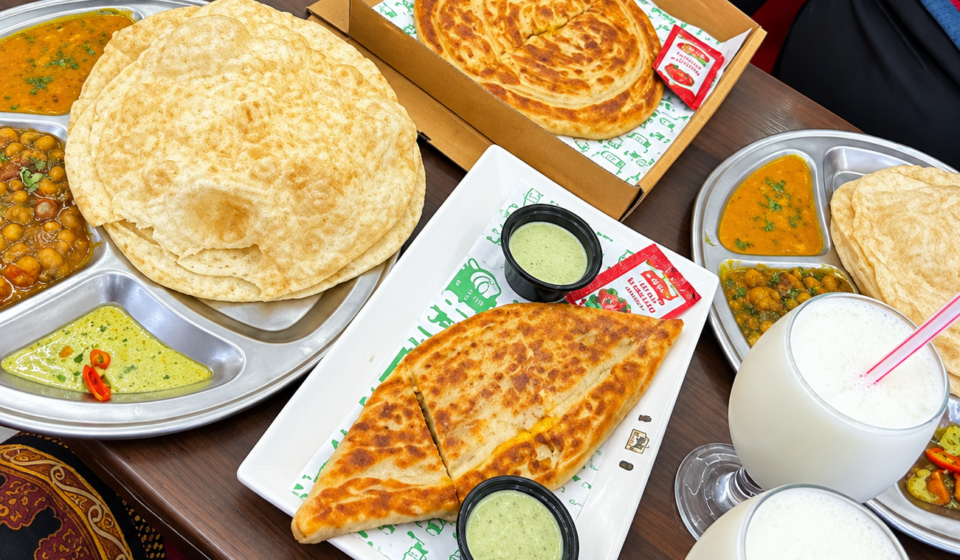

Typing “breakfast near me” into Google or Google Maps is one of the most common ways people decide where to eat first thing in the morning, and it works best when you know what to look for once the results appear. Rather than just tapping the top pin, it helps to check a place’s live opening hours, recent reviews, menu photos and distance before committing especially on weekends, when small cafés and diners fill up fast. This guide walks through how local “breakfast near me” searches actually work, what separates a reliable choice from a disappointing one, and how to think about nutrition if breakfast is meant to set you up for the day rather than just fill a gap.
How “breakfast near me” searches actually work
When you search “breakfast near me” on a phone, Google uses your device’s location to pull nearby cafés, diners, hotels and fast-food chains that are currently open (or opening soon), ranking them using a mix of distance, relevance and business reputation. This is why the results change depending on where you’re standing, and why the same search in a city centre and a suburb can look completely different.
Searches like this have grown sharply. Recent data reported by Shopify shows that “near me” search terms including food-related ones like breakfast and coffee now generate millions of searches a month, with breakfast and restaurant queries among the most common categories. Google’s own research, cited in that same analysis, found that a majority of people who run a local search on mobile visit a business within a day of searching. In short, “breakfast near me” is rarely idle curiosity most people act on it almost immediately, which is exactly why the accuracy of what shows up matters.
The practical takeaway: the map view (rather than the plain list of links) usually gives you the clearest picture, because it shows real-time distance, star ratings and whether a place is marked as open right now.
What to check before you pick a place
A high star rating alone doesn’t tell you enough. A few extra checks take seconds and save a wasted trip:
- Opening hours today, not just “open now.” Independent cafés often have shorter weekend hours or close early on Sundays, and Google’s hours aren’t always updated by the business itself.
- How recent the reviews are. A 4.5-star rating built from reviews several years old is less useful than a lower rating with recent comments about wait times or menu changes.
- Photos of the actual food. Menu photos uploaded by other diners are usually more reliable than a restaurant’s own marketing images.
- Dietary and allergen information. In the UK, food businesses are legally required to provide allergen information on request under Food Standards Agency rules, so it’s reasonable to call ahead if you have a specific allergy or intolerance rather than assume a menu will flag it clearly online.
- Table service versus counter service. This matters more on a tight schedule a sit-down full breakfast can easily take 30–45 minutes, while a bakery or coffee shop counter order is usually a few minutes.
The kind of breakfast you’ll actually find
What “breakfast near me” turns up depends heavily on where you are and what kind of venue you’re near, but most results fall into a handful of familiar categories:
Independent cafés and greasy spoons (UK). These typically serve a full English or full Irish breakfast eggs, bacon, sausage, beans, toast and often black pudding or hash browns alongside simpler options like toast, porridge or a bacon roll. Prices and portion sizes vary a lot by region and by whether you’re near a city centre or a smaller town.
Diners and breakfast chains (US). In the US, “breakfast near me” often surfaces diners and national chains serving pancakes, omelettes, hash browns and coffee refills, frequently available all day rather than a fixed morning window.
Coffee shop breakfasts. Chains and independents alike now offer pastries, breakfast sandwiches and porridge/oatmeal pots for people who want something quick to eat on the move rather than a sit-down meal.
Hotel and brunch venues. On weekends, “brunch near me” overlaps heavily with breakfast searches, usually pointing to venues serving a more extended menu often with alcohol available from late morning into early afternoon.
None of these categories is inherently “better”; the right one depends on how much time you have and whether you want a quick bite or a sit-down meal.

Making your breakfast choice a genuinely useful one
If breakfast is meant to actually help you get through the morning rather than just be the first thing you eat, it’s worth knowing what the health guidance actually says because not every item on a breakfast menu delivers the same benefit.
The NHS recommends building breakfast around wholegrain foods such as wholegrain cereal, porridge or wholemeal toast, staying hydrated with water or milk rather than sugary drinks, and varying what you eat across the week rather than relying on the same thing daily. The British Dietetic Association goes further, noting that a good-quality breakfast one that includes a mix of wholegrains, fruit or vegetables, protein and healthy fats is associated with better blood sugar control and a lower long-term risk of weight gain, while it cautions against relying on processed meats or sugary drinks at breakfast.
In the US, the USDA’s MyPlate framework applies the same basic principle without focusing solely on breakfast in isolation: it recommends pairing a whole grain (oats or wholegrain toast) with a protein source (eggs, yoghurt, milk) and, where possible, fruit or vegetables, so a single meal touches several of the core food groups rather than being all carbohydrate or all sugar.
None of this means a fried breakfast or a stack of pancakes is off-limits both dietary bodies frame this as general day-to-day guidance rather than a strict rule, and neither treats an occasional indulgent breakfast as a problem. It’s simply useful context if you’re choosing between a menu’s lighter options and its heavier ones on a regular basis, rather than as a once-in-a-while treat.
Frequently asked questions
Why do “breakfast near me” results sometimes show places that are actually closed?
Opening hours on Google listings are often set by the business and not always kept current, particularly for independent cafés with irregular weekend or holiday hours. Calling ahead or checking a business’s own website or social media is the most reliable way to confirm.
Is there a difference between searching “breakfast near me” and “brunch near me”?
Generally yes. Breakfast searches tend to surface venues open earlier in the day with more traditional morning menus, while brunch searches lean toward venues open from late morning that often combine breakfast and lunch items, sometimes with alcohol on the menu.
How late can I usually still search “breakfast near me” and find somewhere serving it?
This varies enormously by venue and location some cafés stop serving breakfast items by 11:30am, while diners and certain chains serve breakfast menus all day. Checking a specific listing’s menu hours, rather than assuming, is the only reliable way to know.
you may also read about: Bread and Butter Pudding: History, Origins and What Makes It Work